Home Defense: Protecting Your Property During Emergencies
Learn how to secure your home and protect your family during emergencies and disasters with these practical home defense strategies.
Important Disclaimer
This article discusses home security and defense measures for emergency situations. Always follow local laws and regulations regarding security measures, firearms, and self-defense. This information is educational in nature and not intended as legal advice. Consult with local law enforcement, legal counsel, and security professionals for guidance specific to your situation and jurisdiction.
Introduction: The Reality of Home Security During Emergencies
During normal times, home security focuses primarily on deterring opportunistic burglars and preventing property crime. However, during widespread emergencies or disasters, the security landscape can change dramatically. Extended power outages, natural disasters, civil unrest, or other major disruptions can create unique security challenges that require additional preparation and consideration.
This comprehensive guide approaches home defense from a practical, layered perspective—focusing on prevention, deterrence, and protection strategies that work together to create a robust security posture. We'll cover physical security improvements, technology solutions that work during grid-down scenarios, and responsible approaches to personal protection.
Our goal is to help you develop a balanced, thoughtful approach to home defense that prioritizes safety while acknowledging the realities of emergency situations. By implementing multiple layers of security, you can significantly reduce your vulnerability and protect what matters most—your family and home.
Understanding Security Vulnerabilities During Emergencies
Before diving into specific security measures, it's important to understand how emergency situations can affect home security:
Unique Challenges During Emergencies
- Reduced Law Enforcement Capacity: During widespread emergencies, police and emergency services may be overwhelmed, resulting in delayed response times or limited availability.
- Infrastructure Failures: Power outages can disable electronic security systems, lighting, and communications. Water outages can affect fire suppression capabilities.
- Increased Opportunistic Crime: Some emergencies may create opportunities for looting, theft, or other property crimes, particularly in affected areas with limited police presence.
- Extended Vulnerability: Unlike typical burglaries that target unoccupied homes, emergency-related security threats may occur while families are sheltering in place.
- Psychological Factors: Stress, fear, and uncertainty during emergencies can affect decision-making for both homeowners and potential threats.
Threat Assessment: Realistic vs. Unlikely Scenarios
Effective preparation requires distinguishing between likely and unlikely threats:
- Most Likely: Opportunistic theft, particularly of visible resources (generators, fuel, etc.), break-ins targeting food or supplies
- Possible: Home invasions, confrontations over resources, targeted theft based on perceived preparedness
- Least Likely: Organized attacks, prolonged sieges, or "zombie apocalypse" scenarios often portrayed in entertainment
By focusing on realistic threats, you can allocate resources effectively and avoid overemphasizing unlikely scenarios at the expense of more probable concerns.
The Layered Approach to Home Defense
Security experts recommend a layered approach to home defense, creating multiple barriers that must be overcome. This strategy, often called "defense in depth," makes your home a harder target and provides multiple opportunities to deter, detect, delay, and respond to threats.
Layer 1: Perimeter Security
Your property boundary represents your first defensive layer:
- Fencing and Gates: Consider security-focused fencing at least 6 feet tall with minimal footholds. Ensure gates are as strong as the fencing with quality locks.
- Landscaping for Security: Implement crime prevention through environmental design (CPTED) principles:
- Use thorny or dense shrubs under windows
- Maintain clear sightlines to entry points
- Avoid landscaping that provides hiding places near the home
- Consider gravel pathways that make silent approach difficult
- Lighting: Install motion-activated and/or solar-powered lighting around the perimeter, particularly at entry points and blind spots.
- Visible Security Measures: Security system signage, "Beware of Dog" signs, and other visible deterrents can discourage opportunistic intruders.
Layer 2: Exterior Home Hardening
The exterior of your home should present significant barriers to entry:
- Doors:
- Install solid core or metal exterior doors
- Use 3-inch screws in strike plates that penetrate the door frame and stud
- Add secondary reinforcement like door security bars or barricades
- Install wide-angle peepholes or doorbell cameras
- Consider door reinforcement kits that strengthen the jamb and hinges
- Windows:
- Install window locks or pins on all windows
- Consider security film that prevents glass from shattering
- For ground-floor windows, decorative security bars or grates may be appropriate
- Plant thorny bushes beneath windows as additional deterrents
- Garage:
- Secure garage doors with additional locks when not in use
- Cover garage windows to prevent visibility of stored items
- Secure the door between the garage and house with the same measures as exterior doors
Layer 3: Interior Security Zones
If exterior defenses are breached, interior security becomes critical:
- Safe Room or Hardened Area: Designate a room with solid construction, reinforced door, communication capabilities, and emergency supplies.
- Interior Door Reinforcement: Upgrade hardware on bedroom and safe room doors with longer screws and reinforced strike plates.
- Furniture Placement: Arrange furniture to create obstacles and avoid direct lines of sight from windows.
- Hidden Storage: Create concealed locations for valuables, emergency supplies, and security equipment.
Security Systems for Grid-Down Scenarios
Many modern security systems become useless during power outages. Consider these alternatives that function during emergencies:
Non-Electric Security Measures
- Mechanical Alarms: Trip-wire alarms, door-stop alarms, and other non-electric alert systems
- Reinforcement Hardware: Door bars, window pins, and other mechanical devices that don't require electricity
- Manual Locks: High-security deadbolts, padlocks, and hasps that don't rely on electronic access
Battery and Solar-Powered Options
- Solar Motion Lights: Self-contained units that charge during daylight and activate with motion at night
- Battery-Powered Alarms: Door/window contact sensors and motion detectors with long battery life
- Solar-Powered Cameras: Security cameras with integrated solar panels and local storage options
Early Warning Systems
- Perimeter Alarms: Tripwires, motion sensors, or driveway alarms that provide advance notice
- Defensive Landscaping: Gravel pathways, thorny bushes, and other natural deterrents that create noise or difficulty
- Neighborhood Watch: Coordinated observation and communication with trusted neighbors
Responsible Approaches to Personal Protection
Personal protection tools represent the last layer of defense when all other measures have failed. This topic requires careful consideration of legal, ethical, and practical factors:
Understanding Self-Defense Laws
Self-defense laws vary significantly by jurisdiction:
- Castle Doctrine: Many states have laws allowing the use of force to protect your home, but requirements and limitations vary widely
- Duty to Retreat: Some jurisdictions require attempting to retreat before using force, even in your home
- Proportional Response: Most jurisdictions require that force used be proportional to the threat
Consult with legal experts familiar with local laws to understand your rights and responsibilities regarding self-defense in your specific location.
Non-Lethal Defense Options
Consider these alternatives that may provide protection while minimizing potential legal and ethical complications:
- Defensive Sprays: Pepper spray or similar deterrents (check local regulations)
- Bright Flashlights: High-lumen tactical flashlights can temporarily disorient intruders
- Sound Devices: Personal alarms or other loud devices that can startle and draw attention
- Physical Barriers: Furniture barricades and other obstacles to create distance and time
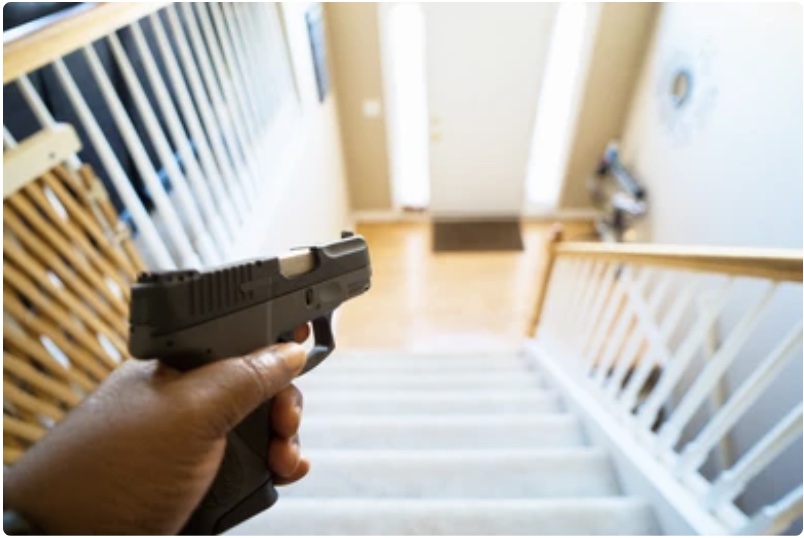
Firearms Considerations
If you choose to include firearms in your home defense plan, consider these critical factors:
- Training Requirements: Regular, professional training is essential for safe and effective use
- Secure Storage: Proper safes and storage solutions that prevent unauthorized access while allowing quick access when needed
- Ammunition Selection: Appropriate ammunition that minimizes over-penetration risks in home environments
- Legal Compliance: Understanding and following all applicable laws regarding ownership, storage, and use
Remember that firearms represent significant responsibility and potential liability. They should never be considered without comprehensive training, secure storage solutions, and thorough understanding of legal implications.
Operational Security (OPSEC)
How you manage information about your preparedness can significantly impact your security:
Information Management
- Social Media Awareness: Avoid posting about preparedness supplies, security measures, or when your home will be unoccupied
- Visible Indicators: Be mindful of visible signs of preparedness that might make your home a target (multiple deliveries, packaging from security equipment, etc.)
- Need-to-Know Basis: Share detailed preparedness information only with trusted family members and close allies
The Gray Man Concept
The "gray man" approach involves blending in rather than standing out during emergencies:
- Home Appearance: Maintain a home that doesn't obviously appear better prepared than neighbors
- Resource Management: Be discreet when using or displaying valuable resources during emergencies
- Community Integration: Balance self-sufficiency with community involvement to avoid isolation or suspicion
Community-Based Security
Individual home security is strengthened through community cooperation:
Neighborhood Watch and Communication
- Organized Observation: Establish neighborhood watch programs with clear communication protocols
- Communication Plans: Develop methods for neighborhood communication during power/internet outages
- Resource Sharing: Coordinate with trusted neighbors on security patrols or resource sharing during emergencies
Mutual Aid Networks
- Skill Sharing: Identify and leverage complementary skills among trusted neighbors
- Equipment Coordination: Coordinate equipment purchases to avoid duplication and expand collective capabilities
- Response Planning: Develop shared protocols for responding to security concerns
Family Security Protocols
Develop and practice specific security protocols with your family:
Communication Plans
- Duress Signals: Establish code words or signals that family members can use to indicate danger
- Rally Points: Designate meeting locations if separation occurs during an emergency
- Communication Methods: Establish primary and backup communication methods during emergencies
Response Drills
- Home Invasion Response: Practice moving to safe areas and implementing security measures
- Fire and Emergency Evacuation: Ensure security measures don't impede emergency exits
- Role Assignments: Clarify each family member's responsibilities during security situations
Psychological Aspects of Home Defense
The psychological dimension of home defense is often overlooked but critically important:
Mental Preparedness
- Stress Management: Develop techniques to maintain clear thinking during high-stress situations
- Decision Frameworks: Establish clear criteria for different response levels to avoid hesitation
- Realistic Training: Include stress inoculation in practice scenarios to build resilience
Family Considerations
- Age-Appropriate Involvement: Include children in security planning in ways appropriate to their age and maturity
- Psychological Safety: Balance physical security with maintaining a home that feels safe rather than fearful
- Post-Incident Planning: Consider how to address psychological impacts after security incidents
Conclusion: Balanced Security Approach
Effective home defense during emergencies requires a balanced, layered approach that emphasizes prevention and deterrence while maintaining readiness for direct protection if necessary. By implementing multiple security layers—from perimeter hardening to community cooperation to personal protection options—you create a robust system that doesn't rely on any single measure.
Remember that the goal of home security is to protect your family and property while maintaining quality of life. Security measures should be proportional to realistic threats and integrated thoughtfully into your overall emergency preparedness strategy.
Start by addressing the most significant vulnerabilities in your current security posture, then systematically implement additional layers as resources permit. Regular practice, maintenance, and updates to your security plan ensure that your preparations remain effective when they're needed most.
With thoughtful preparation and a balanced approach to home defense, you can significantly increase your family's security and resilience during emergencies while maintaining peace of mind in everyday life.
Related Articles
Winter Preparedness: Surviving Cold Weather Emergencies
Essential tips and gear for preparing your home, vehicle, and family for winter storms and cold weather emergencies.
Read more →Emergency Communication When the Grid Goes Down
Options for staying connected with family and getting information during power outages and emergencies.
Read more →Building the Perfect Bug Out Bag
A step-by-step guide to creating a comprehensive bug out bag that will keep you prepared for any emergency.
Read more →